
To uncover the story behind one of the most promising frontiers in immunology and drug discovery, we sat down with Lin Teng, PhD, head of Biology Department at BioDuro. Her team played a key role in developing and validating an advanced STAT6 PROTAC evaluation platform—accelerating the journey from patent to preclinical proof. Below is a brief Q&A that highlights some of the exciting developments and challenges in targeting STAT6 using PROTACs.
Download the complete article to explore our full STAT6 PROTAC assay suite, synthesis insights, and preclinical data.
STAT6 plays a central role in the IL-4/IL-13 signaling pathway, which is critical in diseases like atopic dermatitis and asthma. While monoclonal antibodies exist, they only inhibit signaling at the receptor level. By degrading STAT6 itself, we get to the root of the problem and may offer broader, more durable responses.
Because it's a transcription factor that relies on protein-protein interactions rather than enzymatic activity. Small molecules can't easily interfere with those interactions. That's where PROTACs come in—by inducing targeted degradation, we're not just inhibiting; we're removing the protein entirely.
We synthesized Kymera's I-1 molecule based on patent data in under three weeks—without a published synthesis route. We then built an in vitro platform that combines HiBiT, HTRF, Western Blot, and functional assays across immune cell types. This allowed us to validate degradation, assess selectivity, and understand downstream biological effects quickly.
Kymera I-1 showed superior STAT6 degradation and downstream biomarker control compared to Dupilumab in vitro. Plus, it's orally administered—something biologics can't offer.
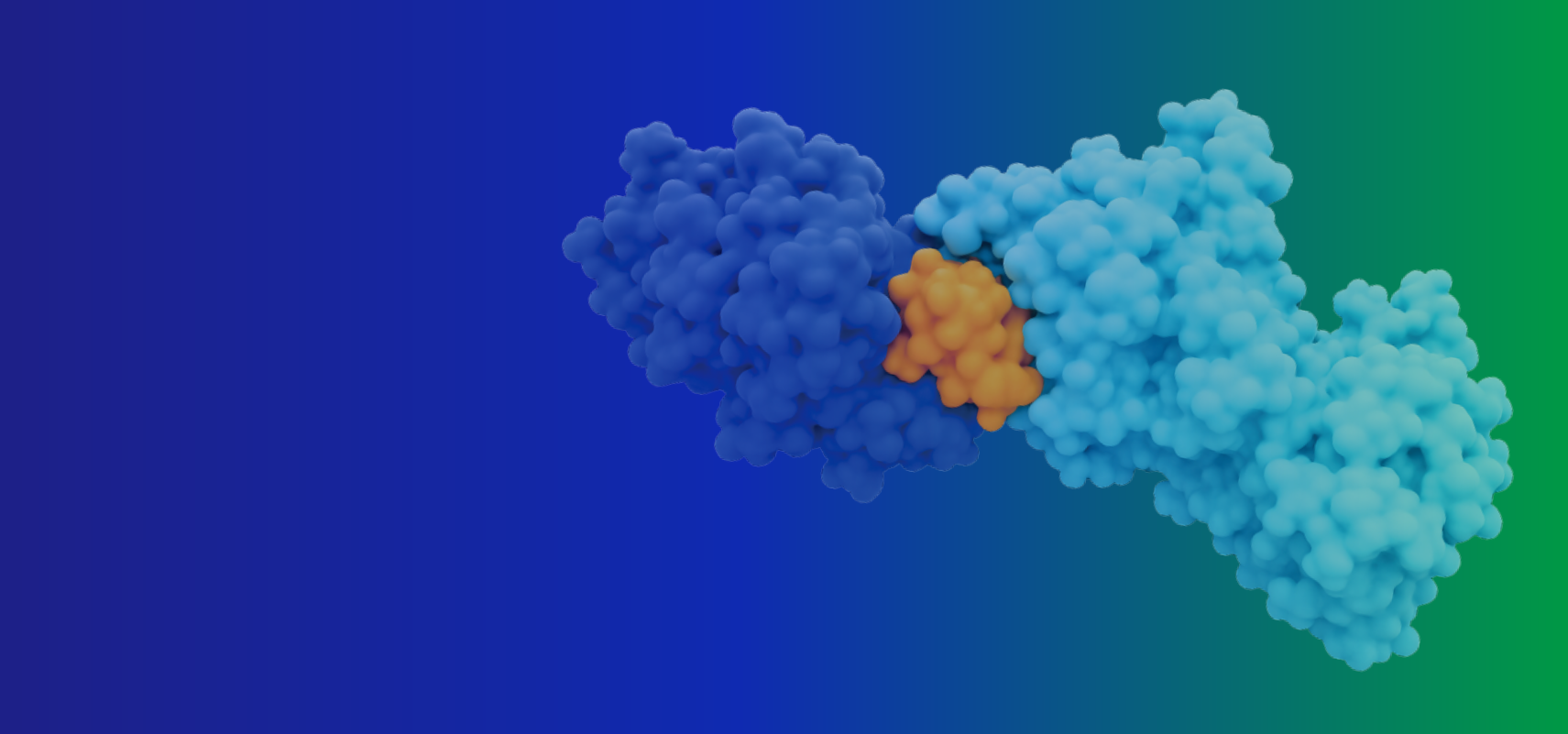
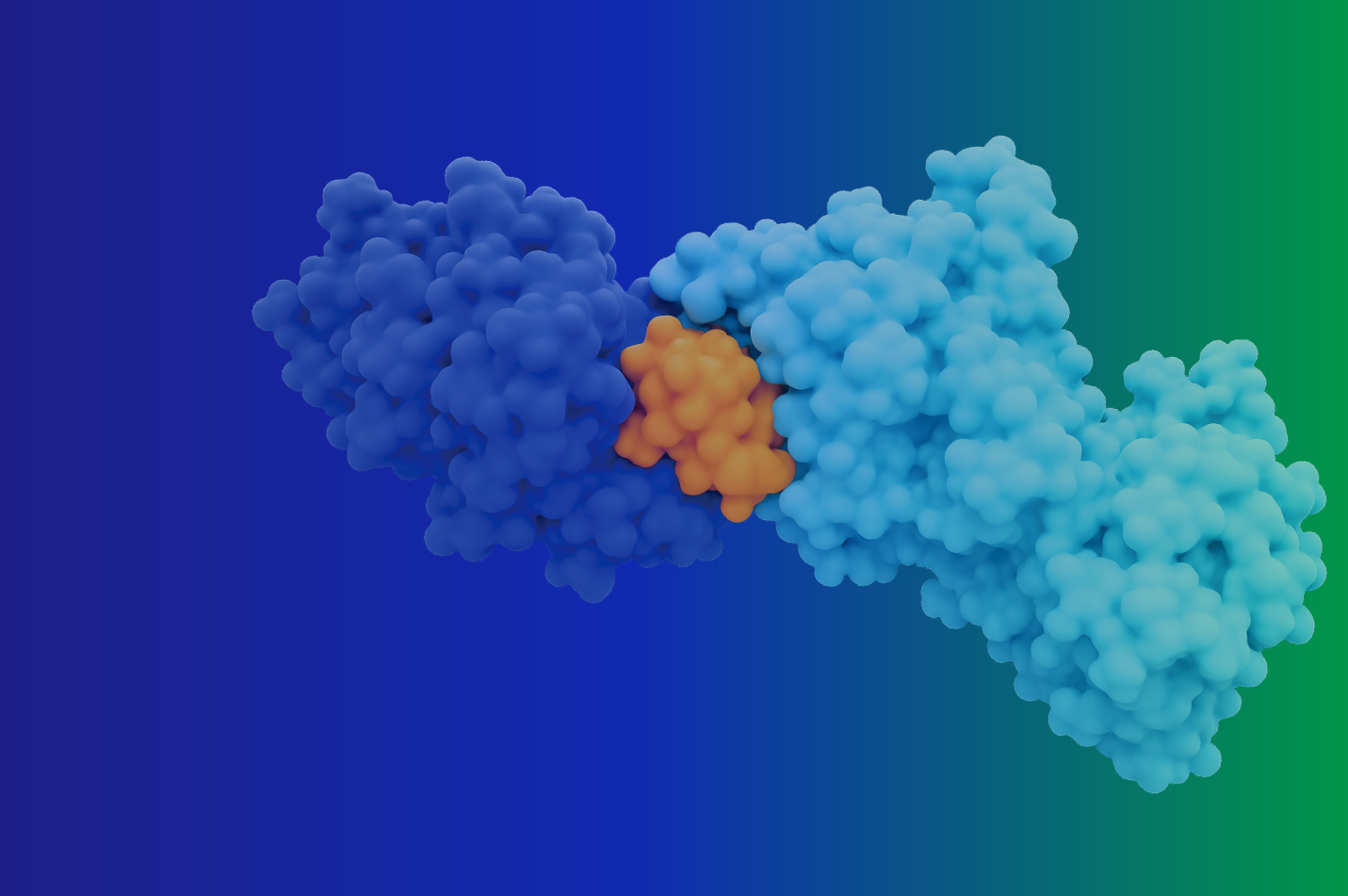
Absolutely. PROTAC efficacy depends on forming a ternary complex between the target protein, the PROTAC, and the E3 ligase. We validated this with TR-FRET assays and observed robust complex formation for both Kymera I-1 and AK-1690.
We're actively supporting clients with novel compounds, optimizing selectivity and permeability, and integrating our in vivo models for AD and asthma. Our platform is designed to be a launchpad for next-generation therapies.


 Home
Home Download