


This article, with insights from Yingjie Li, Ph.D., Director of Chemistry, Zhijing Wang, Ph.D., Associate Director of Chemistry and Wenhua Shi, Associate Director of Discovery Biology, BioDuro, was originally published in the Chimica Oggi-Chemistry Today, Vol. 44(4) - July / August 2026, pages 24-27. Visit the website: Chimica Oggi-Chemistry Today
Antibody-peptide conjugates (APCs) represent an emerging therapeutic modality that combines the targeting precision of monoclonal antibodies with the biological functionality of therapeutic peptides. However, the development of APCs faces significant challenges in conjugation control, product homogeneity, and manufacturability.
This article aims to present a controlled and structured workflow for APC construction, using the reference conjugate AMG-133 as a case study. Through site-selective conjugation based on an engineered antibody mutation site, integrated with purification and analytical characterization, the resulting conjugate achieved a drug-to-antibody ratio of 1.98, 99.76% monomer purity, and preserved functional activity in vitro. The findings demonstrate that a multidisciplinary approach—encompassing peptide synthesis, linker chemistry, conjugation optimization, and rigorous analytical testing—can effectively support the generation of high-quality APCs suitable for advanced research applications in metabolic disease and beyond.
Antibody-peptide conjugates (APCs) are gaining significant attention as a next-generation bioconjugate modality that combines the selectivity of monoclonal antibodies with the biological activity of therapeutic peptides (1). By integrating these two components through a chemical linker, APCs offer the potential for targeted biological modulation while maintaining the precision associated with antibody-based therapeutics (2).
Unlike traditional small molecules, which often rely on systemic exposure, APCs are designed to direct functional peptide payloads toward specific biological targets. They also differ from antibody-drug conjugates (ADCs), which typically employ cytotoxic payloads intended for cell killing (3). Instead, APCs are being explored for applications where controlled modulation of biological pathways is desired, including metabolic disease, immunology, and beyond (4).
Although APCs offer significant therapeutic promise, they introduce several technical and manufacturing challenges that must be addressed during development. One of the primary challenges is achieving efficient and stable conjugation while preserving the activity of both the antibody and peptide components. Uncontrolled conjugation can lead to heterogeneous products, reduced activity, or stability issues that complicate downstream development. Developers must also carefully evaluate peptide sequence design and conjugation strategies to minimize immunogenicity risks while maintaining desired pharmacological properties (5).
AMG-133 is an antibody-peptide conjugate originally developed by Amgen, designed for obesity treatment by combining a Gastric Inhibitory Polypeptide Receptor (GIPR)-targeting antibody with a Glucagon-Like Peptide-1 Receptor (GLP-1r)-agonist. Clinical interest in this modality has highlighted the broader potential of APCs within metabolic disease research (2)(4). This article aims to present a controlled and structured workflow for APC construction using AMG-133 as a case study, demonstrating how integrated peptide chemistry, conjugation expertise, purification, and analytical characterization can support the generation of high-quality APCs.
Peptide Synthesis
The linker-peptide component was synthesized using sequential Fmoc-based solid-phase peptide synthesis (SPPS) to assemble the full-length 47-amino-acid peptide (Figure 2). Selective deprotection steps were employed to expose the conjugation site, followed by linker installation to introduce the reactive handle necessary for conjugation. The peptide was then cleaved from the resin, fully deprotected and purified by prep-HPLC to obtain the final linker-peptide construct. The process yielded 20 mg of linker-peptide material over approximately three weeks (5% overall yield, >97% purity).
Conjugation of Antibody and Peptide
A site-specific conjugation approach was developed based on an engineered cysteine mutation (E384C) in the antibody (2). The anti-GIPR antibody (2.5 mg/mL) was initially incubated with cystamine (2.5 mM) and cysteamine (2.5 mM) in 40 mM HEPES (pH 8.2) for 15-20 h. The resulting mixture was then buffer-exchanged into 10 mM sodium acetate (pH 5.2) using Amicon devices (50 kDa MWCO, 15 mL).
The recovered cys-mAb (6 mg/mL) underwent partial reduction with Triphenylphosphine-3,3’,3’’-trisulfonic acid trisodium salt (TPPTS, 4 equiv.) at room temperature (22 oC) for 1-2 h. After buffer exchange into 10 mM sodium acetate (pH 5.2) and concentration to 10 mg/mL, the reduced product was diluted to 3.0 mg/mL in 50 mM sodium phosphate containing 2 mM EDTA (pH 7.5). This solution was treated with Dehydroascorbic Acid (10 equiv.) for 1~3h at room temperature, followed by addition of bromoacetyl-GLP-1 analogue peptide (4 equiv.) and overnight incubation (15-20 h) under the same conditions.
The conjugation mixture was subsequently passed through a 0.22-μm cellulose acetate membrane and then diluted with 20 mM Tris-HCl (pH 7.0). Purification of the crude conjugate was performed on a GE SP HP column (5 mL) using a linear 0-30% gradient of buffer B (A: 20 mM Tris-HCl, pH 7.0; B: A + 0.5 M NaCl) at 5 mL/min over 30 min. Finally, the purified material was buffer-exchanged into storage buffer (10 mM sodium acetate, 9% sucrose, pH 5.2) with Amicon devices (50 kDa MWCO, 15 mL) (6).
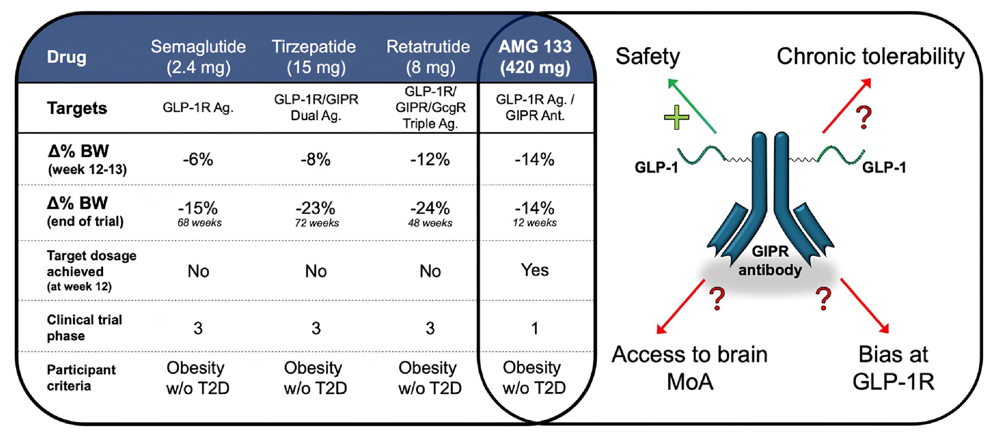
Figure 1. AMG-133 has demonstrated clinically meaningful weight loss in obesity studies, highlighting the growing interest in antibody-peptide conjugates for metabolic disease.
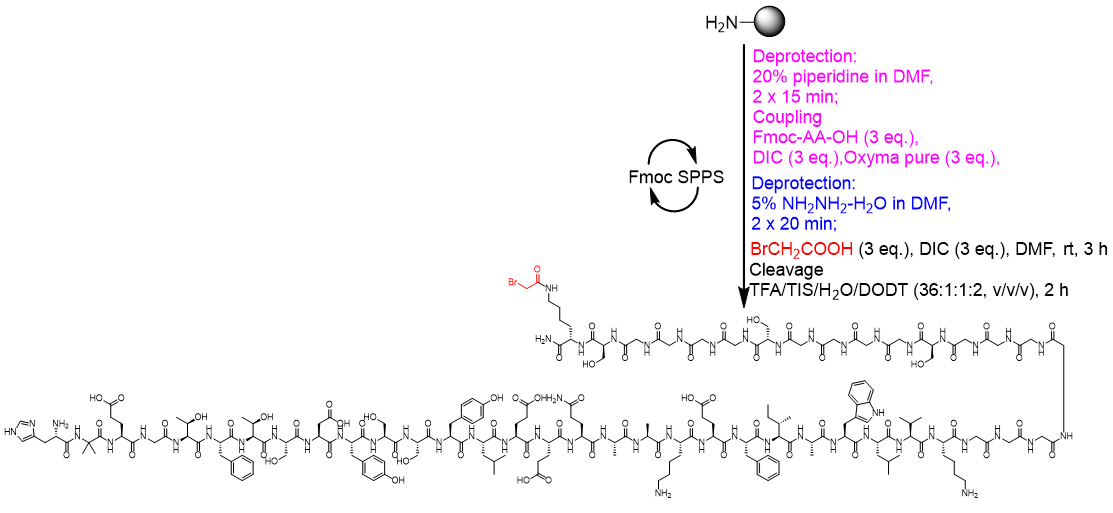
Figure 2. Synthesis scheme of the linker-peptide construct. The 47-amino-acid peptide with the sequence H[Aib]EGTFTSDYSSYLEEQAAKEFIAWLVKGGG(GGGGS)3 K(BrAc){CONH2} was assembled via Fmoc-based SPPS, followed by selective de-ivDde deprotection, coupling with bromoacetic acid (BrCH₂COOH), cleavage from the resin and purification by prep-HPLC to yield the final linker-peptide component.
Analytical Characterization
Drug-to-antibody ratio (DAR) was determined by HPLC-TOF-MS (Agilent PLRPS, 150*2.1 mm, 8µm column, A: 0.1%formic acid/H2O; B: 0.1%formic acid/CH3CN, 0.5mL/min, 25-90%B over 5min). Product purity and aggregation status were assessed by size-exclusion chromatography (SEC, Advance Bio SEC column, 7.8 × 150 mm, 300Å, mobile phase: 50mM PB, 200mM NaCl, 5%(v/v) IPA, over 12min at 0.75ml/min). Functional activity was evaluated through in vitro cell-based assays to confirm GLP-1 receptor agonism and GIP receptor antagonism, following established protocols.
Controlled Conjugation Achieves High Product Homogeneity
The final AMG-133 conjugate demonstrated a DAR of 1.98 by LC-MS (Figure 3), which is highly consistent with the literature-reported value for this reference conjugate. SEC analysis confirmed exceptionally high product purity, with 99.76% of the material present as monomer (Figure 4). These results reflect strong control over conjugation and product homogeneity—both of which are critical parameters for complex APC development. The site-selective conjugation strategy based on the engineered cysteine residue (E384C) proved effective in achieving a defined DAR of approximately 2, minimizing the heterogeneity often associated with random conjugation approaches.
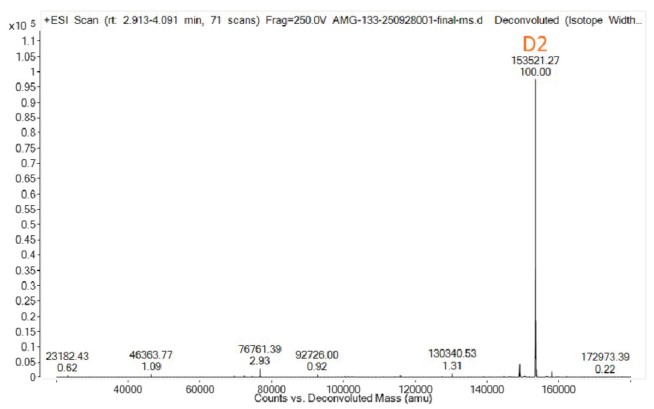
Figure 3. LC-MS gave a DAR of 1.98, which is highly consistent with the literature reports.
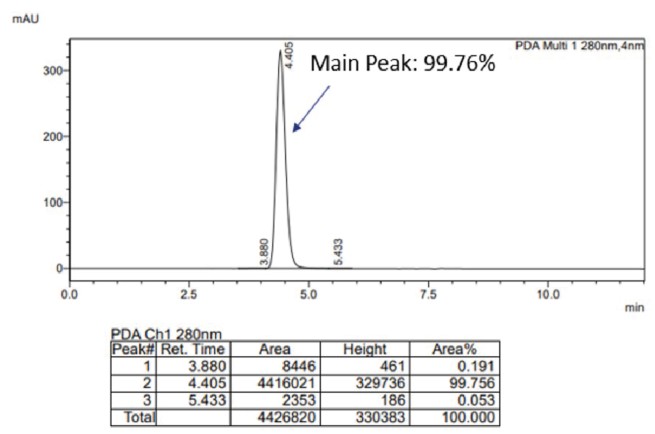
Figure 4. SEC analysis of the final AMG-133 conjugate confirmed that the product has exceptionally high purity, with 99.76% present as monomer.
Functional Validation Confirms Preserved Biological Activity
Beyond analytical characterization, functional testing confirmed that the synthesized conjugate retained expected biological activity. In vitro studies demonstrated GLP-1 receptor activity consistent with literature reports, along with expected GIPR antagonism. These results confirmed the correct mechanism of action and demonstrated preservation of functional integrity following conjugation (Figure 5). Functional validation remains a critical component of APC development, as even well-characterized conjugates must demonstrate that both targeting and biological activity are maintained after synthesis and purification.
Implications for APC Development
The workflow described in this case study highlights several key considerations for APC development. First, peptide synthesis must be carefully designed to accommodate the conjugation site and linker chemistry while maintaining the structural integrity of the peptide payload. Second, site-selective conjugation strategies offer significant advantages over non-selective methods in terms of product homogeneity and batch-to-batch reproducibility. Third, rigorous analytical characterization—including DAR determination, purity assessment, and functional testing—is essential to confirm product quality and support progression to advanced research applications.
The multidisciplinary nature of APC development requires expertise across peptide chemistry, protein conjugation, purification, and bioanalytical characterization. As demonstrated here, a structured and controlled workflow can address key development challenges while generating highly homogeneous conjugates with confirmed biological activity.
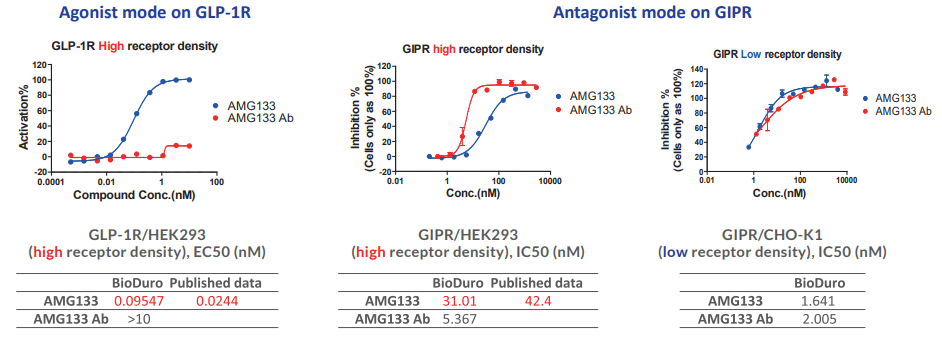
Figure 5. In vitro studies confirmed preservation of GLP-1 receptor agonism and GIP receptor antagonism following conjugation.
This case study demonstrates that a controlled, multidisciplinary workflow can successfully address the key challenges of APC development, including conjugation control, product homogeneity, and functional preservation. The AMG-133 conjugate prepared using this approach achieved a defined DAR of approximately 2, 99.76% monomer purity, and confirmed biological activity. These results support the feasibility of generating high-quality APCs suitable for advanced research applications.
As interest in targeted biologic modulation continues to grow, APCs are likely to play an increasingly important role in expanding the possibilities of next-generation therapeutic design. Continued advances in peptide synthesis, conjugation chemistry, and analytical characterization will further enable the development of complex APC constructs with improved efficacy, safety, and manufacturability.
1. Jang Y, Choi J, Ryu Y, Song HK, Shim MK, Yang Y, et al. Peptide/antibody-drug conjugates for therapeutic applications in inflammatory disease. Adv NanoBiomed Res. 2025;5(12):2500150. https://doi.org/10.1002/anbr.202500150
2. Lu SC, Chen M, Atangan L, Killion EA, Komorowski R, Cheng Y, et al. GIPR antagonist antibodies conjugated to GLP-1 peptide are bispecific molecules that decrease weight in obese mice and monkeys. Cell Rep Med. 2021;2(5):100263. https://doi.org/10.1016/j.xcrm.2021.100263
3. Wang R, Hu B, Pan Z, Mo C, Zhao X, Liu G, Hou P, Cui Q, Xu Z, Wang W, Yu Z, Zhao L, He M, Wang Y, Fu C, Wei M, Yu L. Antibody-drug conjugates (ADCs): current and future biopharmaceuticals. J Hematol Oncol. 2025 Apr 30;18(1):51. https://pmc.ncbi.nlm.nih.gov/articles/PMC12044742/
4. Véniant MM, Lu SC, Atangan L, Komorowski R, Stanislaus S, Cheng Y, et al. A GIPR antagonist conjugated to GLP-1 analogues promotes weight loss with improved metabolic parameters in preclinical and phase 1 settings. Nat Metab. 2024;6(2):290-303. https://www.nature.com/articles/s42255-023-00966-w
5. Murray JK, Wu B, Tegley CM, Argelia A, Long J, Fong J, et al. Engineering NaV1.7 inhibitory JzTx-V peptides with a potency and basicity profile suitable for antibody conjugation to enhance pharmacokinetics. ACS Chem Biol. 2019;14(4):806-818. https://doi.org/10.1021/acschembio.9b00183
6. Amgen Inc. Methods for treating obesity. WO2024102742A1. 2024. https://patents.google.com/patent/WO2024102742A1/


 Home
Home